
Ifrane and the cedar forest
An hour south of Fès, the road climbs into the Middle Atlas: a tidy hill town of steep roofs, a stone lion, and great cedars where wild macaques live.
- From Bab Bou JeloudRoughly an hour south by road
- PaceFull day
- The way inGrand taxi, bus or hired car
- BringWarm layer, walking shoes, water, binoculars
After the heat and density of the medina, Ifrane is a surprise. The road from Fès climbs steadily into the Middle Atlas, through farmland and then oak and cedar, and arrives at a town that looks more like a mountain resort in Europe than anything else in Morocco: steep-roofed houses, tidy streets, parks with lawns and lakes. Beyond it lies one of the largest cedar forests in North Africa, home to the Barbary macaque. A day here gives you fresh air, long views and a very different Morocco.
A hill town with steep roofs
Ifrane was built in the late 1920s during the French protectorate as a hill station, a cool summer retreat for colonial administrators and their families. Planners designed it on the model of an Alpine village, with houses of stone and timber under steep red or green roofs that shed snow, gardens and broad avenues. Ifrane lies at more than 1,600 metres, and winter here is real winter, with frost, snow and short days.
The town remains clean and orderly, and Moroccans often call it the Switzerland of Morocco. It is a popular weekend escape for families from Fès and Meknès, especially in summer when the plains swelter, and in winter when snow falls. A modern university and some royal and official residences have added to its quiet, well-kept feel.
The stone lion
The town's best-known landmark is a large lion carved from stone, resting on a patch of grass near the town centre. It is said to have been carved during the Second World War, and it is a favourite spot for photographs, with families queuing to stand beside it. The lion recalls the Atlas lions that once lived wild in these mountains and have long been extinct in the wild.
Around it, parks follow the small river through the town, with paths, benches and plane trees. It is a pleasant place to walk for an hour before heading into the forest.
The cedar forest
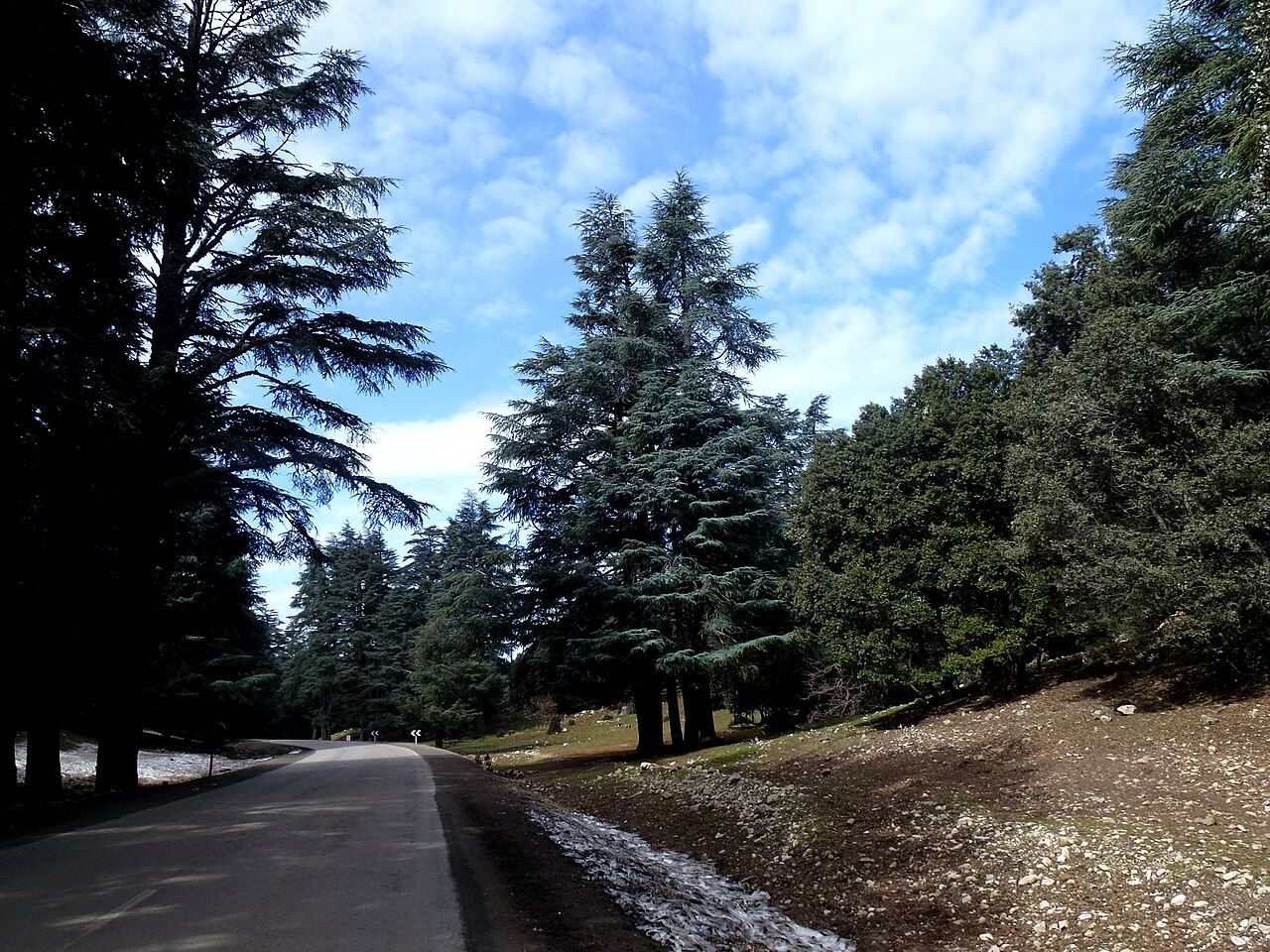
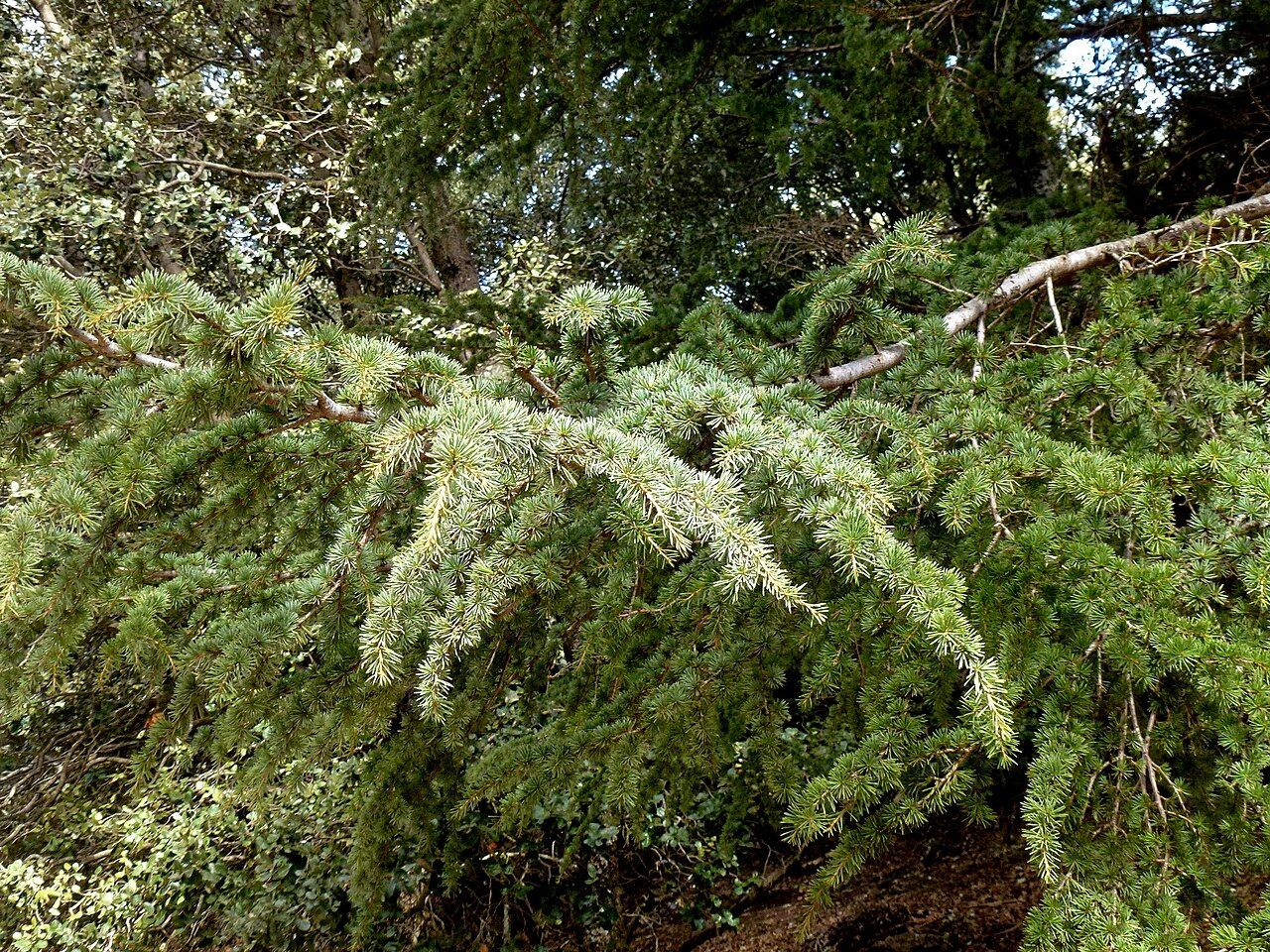
The Atlas cedar grows in the mountains of Morocco and Algeria, and the Middle Atlas around Ifrane and Azrou holds some of its finest stands. These are tall, broad trees with layered branches and blue-green needles, and some are many centuries old. Much of the area lies within Ifrane National Park, created to protect the forest, its springs and lakes, and its wildlife.
Close by: Dar Batha and its Andalusian garden
The road from Ifrane south towards Azrou runs through the forest, and there are places to stop and walk under the trees. The air is cool and smells of resin, and the ground is soft with needles. In winter, snow lies between the trunks. Look for the different shapes of old and young trees, and for holm oak growing among them at lower levels. The cedar wood itself is prized: much of the carved and painted woodwork you see in the Nejjarine woodwork museum and in the Bou Inania madrasa was made from it.
Barbary macaques: watch, do not feed
The forest near Azrou is one of the main homes of the Barbary macaque, a tailless monkey native to North Africa and the only wild macaque found on the continent. It is an endangered species, threatened by habitat loss and by illegal trade.
At some roadside stops, groups of macaques gather near parked cars because visitors feed them. Please do not. Feeding harms them in several ways:
- Processed food, bread and sweets make them ill and change their natural diet.
- Animals that expect food from people become bolder and may bite or scratch.
- Gathering near roads puts them at risk from traffic.
- Close contact can spread disease between people and monkeys in both directions.
Watch from a respectful distance, keep food out of sight, do not touch or try to pose with them, and keep children close. A pair of binoculars makes the encounter better for both sides. Avoid anyone offering macaques for photos; those animals have often been taken from the wild.
Snow, seasons and weather
Ifrane's weather changes quickly. Winters are cold, with regular snowfall from December to March in many years, and the town becomes a destination for families who come to see snow and play in it. Roads in the Middle Atlas can close or require chains in heavy snow.
Spring brings green meadows, wildflowers and flowing springs, and it is the best season for walking. Summer is mild compared with Fès, making Ifrane a relief on hot days. Autumn is calm and clear.
South into the Middle Atlas
Ifrane is roughly an hour by road south of Fès, and Azrou a little further. Options include:
- Grand taxi or bus. Shared grand taxis and buses run between Fès, Ifrane and Azrou. They are cheap but slower, and timetables change; ask in Fès on the day.
- Hired car with driver or self-drive. The easiest way to stop in the forest and combine Ifrane and Azrou.
A sensible day: leave Fès in the morning, walk in Ifrane and see the lion, continue towards Azrou through the cedars, stop to walk under the trees, and return to Fès in the late afternoon. Bring a warm layer at any time of year; even in summer, evenings are cool at altitude.
When you come back down into the valley and see the walls of Fès again, the contrast is striking: cool cedar on one side, and on the other, the blue gate of Bab Bou Jeloud and the busy lanes beyond.